
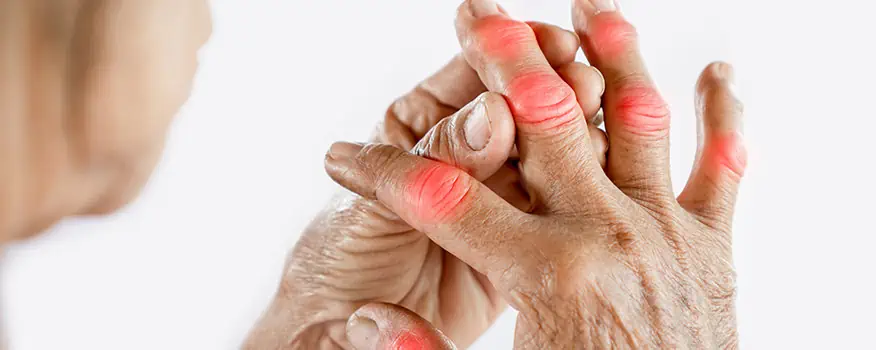
Neuropathy refers to a range of conditions resulting from damage to the peripheral nerves, which can disrupt communication between the brain and the rest of the body. This condition often manifests as pain, numbness, or weakness in the affected areas, commonly in the hands and feet.
Understanding neuropathy involves recognizing its symptoms, which may include tingling sensations, sensitivity to touch, and muscle weakness. Causes can vary widely and include diabetes, infections, autoimmune diseases, and exposure to toxins. Early diagnosis is crucial for managing symptoms effectively and preventing further nerve damage. Treatment options may involve medications for pain relief, lifestyle changes such as improved diet and exercise, or therapies aimed at addressing underlying conditions contributing to nerve damage.
Effective Lifestyle Changes to Help Manage Neuropathy Symptoms
Managing neuropathy symptoms can significantly improve quality of life. Here are some effective lifestyle changes that can help:
Balanced Diet: Incorporating a diet rich in vitamins, particularly B vitamins, antioxidants, and omega-3 fatty acids can support nerve health. Foods like fish, nuts, whole grains, fruits, and vegetables are beneficial.
Regular Exercise: Engaging in regular physical activity helps improve circulation and reduce pain. Low-impact exercises such as walking, swimming, or yoga can be particularly helpful.
Weight Management: Maintaining a healthy weight reduces stress on nerves and may alleviate symptoms associated with neuropathy.
Quit Smoking: Smoking can worsen blood circulation issues which may exacerbate neuropathy symptoms. Quitting smoking is crucial for overall nerve health.
Limit Alcohol Consumption: Excessive alcohol intake can lead to nutritional deficiencies that affect nerve function; reducing or eliminating alcohol can help manage symptoms.
Stress Management Techniques: Practices such as meditation, deep breathing exercises, or mindfulness can help reduce stress levels that may aggravate neuropathy symptoms.
Adequate Sleep: Ensuring sufficient rest is vital for healing and managing pain levels associated with neuropathy.
Foot Care: For those experiencing peripheral neuropathy in the feet, regular foot care—such as checking for injuries and wearing appropriate footwear—is essential to prevent complications.
By implementing these lifestyle changes alongside medical treatment plans prescribed by healthcare professionals, individuals suffering from neuropathy may find relief from their symptoms and enhance their overall well-being.
The Role of Medication and Supplements in Neuropathy Management
When managing neuropathy, medication and supplements play a crucial role in alleviating symptoms and improving quality of life. Medications such as anticonvulsants, antidepressants, and topical treatments can help reduce pain and discomfort associated with nerve damage. These pharmaceuticals target nerve pathways to minimize sensations of pain, making daily activities more manageable.
In addition to prescribed medications, various supplements may support neuropathy management. Alpha-lipoic acid, vitamin B12, and omega-3 fatty acids are often highlighted for their potential benefits in promoting nerve health and reducing inflammation. While these supplements can be beneficial, it’s essential to consult with a healthcare professional before incorporating them into your routine to ensure safety and efficacy.
Physical Therapy and Alternative Treatments to Alleviate Pain
One of the primary goals of physical therapy is to enhance mobility and function while alleviating discomfort. Therapists employ various techniques, such as targeted exercises, manual therapy, and modalities like heat or cold treatments, to help patients manage their symptoms effectively.
In addition to traditional physical therapy methods, alternative treatments can also be beneficial for those suffering from neuropathy. Acupuncture has gained recognition for its ability to relieve pain by stimulating specific points on the body, promoting natural healing processes. Similarly, massage therapy can improve circulation and reduce tension in affected areas, providing significant relief from pain.
Integrating these alternative approaches with conventional physical therapy can create a comprehensive treatment plan tailored to individual needs. Patients are encouraged to discuss all available options with their healthcare providers to find the most effective strategies for managing neuropathy and improving their overall quality of life.


